

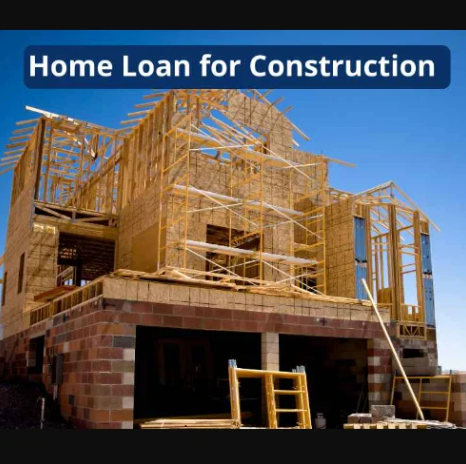
The construction industry is a cornerstone of economic growth, supporting infrastructure development, housing, and commercial expansion. From financing projects with a construction loan to managing wages through construction payroll services, every part of the process must work smoothly. Behind every successful project is a skilled construction worker, supported by proper planning, documentation, and materials, such as construction paper used in design, education, and early project visualization.
This article explores how financing, workforce management, and essential resources come together to keep construction projects running efficiently.
Understanding Construction Projects from Start to Finish
Every construction project follows a structured lifecycle that includes planning, financing, workforce management, execution, and completion. Whether it’s a residential home or a large commercial development, coordination is critical.
Key Phases of a Construction Project
| Phase | Description |
|---|---|
| Planning & Design | Blueprints, permits, and budgeting |
| Financing | Securing a construction loan |
| Workforce Setup | Hiring and managing construction workers |
| Payroll & Compliance | Using construction payroll services |
| Building & Execution | Material use and labor coordination |
| Completion | Final inspection and handover |
Each phase depends on accuracy, compliance, and strong financial control.
What Is a Construction Loan?
A construction loan is a short-term loan specifically designed to finance the building of a property. Unlike traditional mortgages, funds are released in stages as construction progresses.
How a Construction Loan Works
A construction loan is typically paid out in “draws,” meaning money is released only when certain milestones are completed. This protects lenders and encourages accountability.
Key Features of a Construction Loan
| Feature | Details |
|---|---|
| Loan Type | Short-term financing |
| Payment Structure | Interest-only during construction |
| Fund Release | Based on project milestones |
| Conversion | Often converts to a mortgage |
| Risk Level | Higher than traditional loans |
Many builders and developers rely on a construction loan to manage cash flow during active building phases.
Benefits and Challenges of Construction Loans
While a construction loan offers flexibility, it also comes with stricter requirements.
Advantages
-
Access to large project funding
-
Controlled spending through draw schedules
-
Customizable for project size
Challenges
-
Higher interest rates
-
Detailed documentation required
-
Strict inspections and approvals
Proper planning ensures a construction loan supports the project rather than slowing it down.
The Role of Construction Payroll Services
Managing payroll in construction is complex due to variable hours, multiple job sites, and compliance requirements. This is where construction payroll services become essential.
What Are Construction Payroll Services?
Construction payroll services are specialized systems or providers that handle wage calculations, tax compliance, benefits, and union deductions for construction companies.
Why Payroll Is Complex in Construction
-
Hourly and overtime pay
-
Prevailing wage laws
-
Multi-state tax rules
-
Union requirements
Using construction payroll services reduces errors and ensures legal compliance.
Benefits of Construction Payroll Services
| Benefit | Explanation |
|---|---|
| Accuracy | Correct wage and tax calculations |
| Compliance | Meets labor and tax regulations |
| Time Savings | Reduces administrative workload |
| Reporting | Detailed job cost and payroll reports |
| Scalability | Grows with your business |
Construction companies that use construction payroll services often experience fewer disputes and improved employee satisfaction.
Who Is a Construction Worker?
A construction worker is the backbone of the industry. These professionals perform physical labor, operate machinery, and turn plans into reality.
Types of Construction Workers
| Role | Responsibilities |
|---|---|
| Laborer | General site work and assistance |
| Carpenter | Structural framing and finishing |
| Electrician | Wiring and electrical systems |
| Plumber | Water and drainage systems |
| Equipment Operator | Heavy machinery handling |
Every construction worker plays a vital role in ensuring projects are completed safely and on time.
Skills and Qualities of a Construction Worker
To succeed as a construction worker, individuals need more than physical strength.
Essential Skills
-
Technical knowledge
-
Safety awareness
-
Team collaboration
-
Time management
-
Problem-solving
With training and experience, a construction worker can advance into supervisory or management roles.
Safety and Compliance in Construction Work
Safety is critical in construction environments. Employers must provide training, equipment, and clear protocols to protect every construction worker.
Common Safety Measures
-
Protective gear (helmets, gloves, boots)
-
Safety training programs
-
Equipment inspections
-
Clear communication on-site
When payroll and safety reporting are handled through construction payroll services, compliance becomes easier to track.
The Importance of Construction Paper
While digital tools dominate modern construction, construction paper still plays an important role in education, planning, and early-stage visualization.
What Is Construction Paper Used For?
Construction paper is commonly used for:
-
Early design sketches
-
School and training projects
-
Color-coded planning layouts
-
Material and design demonstrations
Its affordability and flexibility make construction paper a staple in classrooms and design workshops.
Construction Paper in Training and Education
Many training programs for construction workers use construction paper to teach layout planning, measurement concepts, and basic design principles before moving to digital tools.
Benefits of Using Construction Paper
| Benefit | Description |
|---|---|
| Low Cost | Affordable and accessible |
| Visual Learning | Helps with color and layout concepts |
| Hands-On Practice | Encourages creativity |
| Easy Customization | Cut, fold, and modify |
Even in professional environments, construction paper can be useful for quick brainstorming.
How These Elements Work Together
A successful project relies on multiple systems working in harmony:
-
A construction loan funds the project
-
Construction payroll services ensure workers are paid correctly
-
Each construction worker performs skilled labor
-
Construction paper supports learning and early planning
When these components align, projects are completed efficiently and professionally.
Managing Costs in Construction Projects
Cost control is one of the biggest challenges in construction. Financing, labor, and materials must stay within budget.
Cost Control Strategies
| Strategy | Impact |
|---|---|
| Detailed Budgeting | Prevents overspending |
| Payroll Automation | Reduces wage errors |
| Efficient Scheduling | Minimizes labor downtime |
| Material Planning | Avoids waste |
Using a construction loan wisely and integrating construction payroll services helps maintain financial stability.
Career Growth for Construction Workers
The construction industry offers long-term career growth for motivated individuals.
Career Path Example
-
Entry-level construction worker
-
Skilled trade specialist
-
Site supervisor
-
Project manager
-
Construction consultant or contractor
Training, certifications, and experience open doors to leadership roles.
Frequently Asked Questions (FAQ)
1. What is a construction loan used for?
A construction loan is used to finance the building of residential or commercial properties, covering labor, materials, and other project costs.
2. Are construction payroll services necessary for small companies?
Yes. Construction payroll services help small companies manage compliance, reduce errors, and save time, even with a limited workforce.
3. What does a construction worker do daily?
A construction worker performs tasks such as site preparation, material handling, equipment operation, and following project plans.
4. Is construction paper still relevant today?
Yes. Construction paper is widely used in education, training, and early design stages for visual planning and demonstrations.
5. Can a construction loan be converted into a mortgage?
Many lenders allow a construction loan to convert into a permanent mortgage once the project is completed.
6. How do construction payroll services improve compliance?
Construction payroll services automate tax calculations, track labor laws, and generate accurate payroll reports.
Final Thoughts
The construction industry is a complex but rewarding field. From securing a construction loan to managing wages through construction payroll services, every detail matters. The dedication of each construction worker, combined with planning tools and materials like construction paper, ensures projects are built safely, efficiently, and successfully.
Whether you’re a builder, contractor, educator, or worker, understanding these elements helps you navigate construction projects with confidence and clarity.
