

The principles of design are the fundamental guidelines that help designers create visually balanced, effective, and meaningful compositions. These principles include balance, contrast, emphasis, movement, proportion, rhythm, unity, and alignment. Regardless of the design field—whether landscape design, interior concepts, nail art, or modern furniture—these principles guide creative decisions and ensure harmony.
Balance creates stability within a design and can be symmetrical, asymmetrical, or radial. Contrast adds visual interest by highlighting differences in color, shape, size, or texture. Emphasis directs attention to the most important element, while movement guides the viewer’s eye through the design. Proportion ensures that elements relate well to each other in size and scale, creating visual comfort.
Unity ties all elements together, making the design feel complete and cohesive. Rhythm establishes repetition and flow, while alignment ensures organization and structure. The principles of design are universal and timeless, forming the backbone of all successful creative work.
Landscape Design: Creating Harmony Between Nature and Space
Landscape design is the art and practice of designing outdoor environments to be both functional and visually appealing. It blends natural elements such as plants, water, and terrain with man-made features like pathways, seating areas, and lighting. A well-planned landscape design enhances the beauty of outdoor spaces while supporting sustainability and usability.
Landscape designers consider factors such as climate, soil conditions, plant selection, and spatial layout. The goal is to make a space that feels both natural and planned. Residential landscape design focuses on gardens, patios, and outdoor living spaces, while commercial landscape design enhances public areas, parks, and business exteriors.
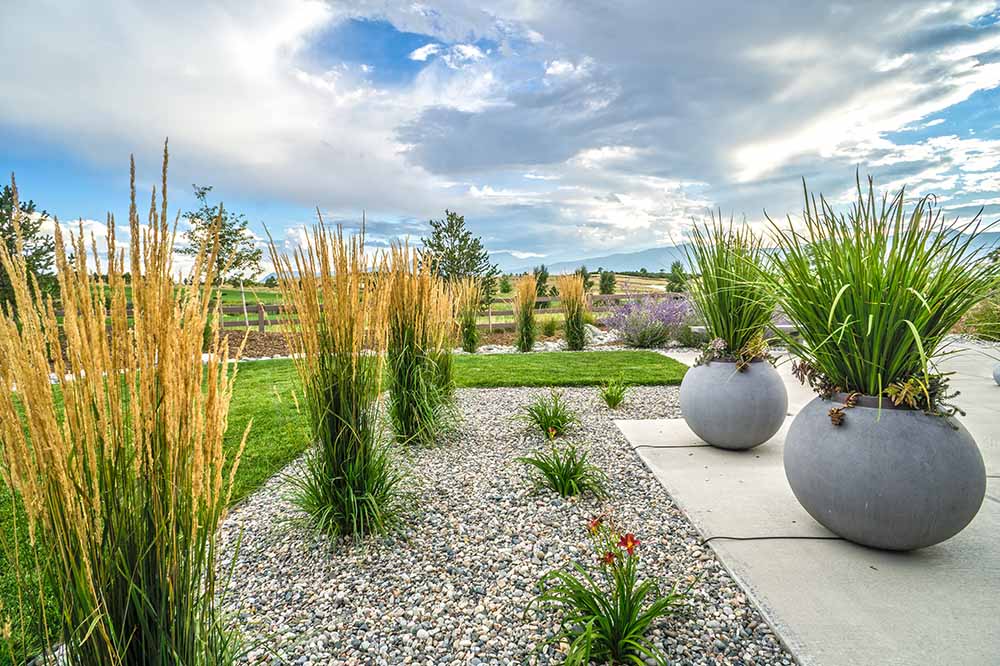
Applying the principles of design to landscape design ensures visual balance and unity. Repetition of plants creates rhythm, contrast between textures adds interest, and proper proportion ensures harmony between structures and greenery. Thoughtful landscape design increases property value and improves overall well-being.
Sustainable and Modern Landscape Design
Modern landscape design emphasizes sustainability, eco-friendly materials, and low-maintenance solutions. Designers often incorporate native plants, efficient irrigation systems, and natural lighting to reduce environmental impact. Sustainable landscape design supports biodiversity and promotes long-term ecological balance.
Design within reach concepts are also applied to landscape design by making outdoor spaces accessible, functional, and adaptable. Well-designed landscapes encourage relaxation, social interaction, and connection with nature. Through strategic planning and creative vision, landscape design transforms ordinary outdoor areas into inspiring environments.
Design Within Reach: Making Good Design Accessible
Design within reach represents the idea that high-quality, well-thought-out design should be accessible and practical, not exclusive or unreachable. This concept focuses on combining functionality, aesthetics, and affordability while maintaining strong design integrity. It applies to furniture, interiors, outdoor spaces, and everyday products.
Design within reach prioritizes simplicity, clean lines, and timeless appeal. It reflects modern design philosophies that emphasize usability and comfort without sacrificing beauty. By making professional design more accessible, this approach allows people to enjoy thoughtfully designed spaces in their daily lives.
The principles of design play a crucial role in achieving design within reach. Balance, proportion, and unity ensure that products and spaces feel intentional and comfortable. This approach bridges the gap between luxury design and everyday living.
Design Within Reach in Everyday Spaces
In interior and exterior spaces, design within reach promotes smart layouts and multifunctional elements. Furniture, décor, and layouts are selected with purpose, ensuring both visual appeal and practicality. This philosophy supports minimalism and efficiency, making spaces feel open and welcoming.
In landscape design, design within reach encourages the use of affordable materials and adaptable layouts. The goal is to create attractive outdoor environments that are easy to maintain and accessible to all. This approach proves that great design does not have to be complicated or expensive.
Nails Design: Creativity in Small-Scale Design
Nails design is a creative and expressive form of personal design that combines art, fashion, and individuality. It involves decorating fingernails using colors, patterns, textures, and embellishments. Despite its small scale, nails design requires precision, creativity, and strong understanding of design principles.
Nail designers use contrast, balance, and repetition to create visually appealing designs. Color harmony is especially important, as it influences mood and style. From minimalist nail designs to bold artistic expressions, nail art reflects personal taste and current trends.
Nails design has grown into a global creative industry, influenced by fashion, culture, and social media. It allows individuals to express identity and creativity in a unique and accessible way.
Applying Design Principles to Nails Design
The principles of design are essential in nails design. Balance ensures that designs do not feel overwhelming, while emphasis highlights focal points such as accent nails. Proportion helps maintain visual harmony across all nails, and rhythm is created through repeating patterns or colors.
Unity ensures that the nail set feels cohesive, even when multiple design elements are used. Alignment and spacing contribute to clean and professional results. Nails design demonstrates how fundamental design principles apply across all creative fields, regardless of size or medium.
The Connection Between Landscape, Product, and Personal Design
Landscape design, design within reach, and nails design may seem different, but they are all connected through the principles of design. Each field focuses on creating visually pleasing and functional results that improve user experience. Whether designing a garden, a living space, or a nail pattern, designers rely on the same foundational concepts.
These design disciplines highlight the versatility of creative thinking. Landscape design works on a large scale, nails design focuses on fine details, and design within reach bridges functionality and accessibility. Together, they showcase how design enhances everyday life.
The Role of Design in Lifestyle and Well-Being
Design plays a vital role in shaping environments, emotions, and behavior. Well-designed landscapes promote relaxation and connection with nature. Thoughtful design within reach improves comfort and efficiency in daily living. Creative nails design boosts confidence and self-expression.
When the principles of design are applied effectively, they create balance, harmony, and purpose. Good design improves quality of life by making spaces and products more enjoyable and meaningful.
Future Trends in Design
The future of design focuses on sustainability, personalization, and accessibility. Landscape design will continue to evolve with eco-conscious solutions and smart technology. Design within reach will emphasize adaptability and multifunctional products. Nails design will expand through digital inspiration and innovative materials.
Across all fields, the principles of design will remain essential. They provide structure and guidance while allowing creativity to flourish. As design continues to influence modern lifestyles, its role in shaping experiences will only grow stronger.
Conclusion
Landscape design, design within reach, nails design, and the principles of design are interconnected aspects of creativity that shape both environments and personal expression. Landscape design enhances outdoor spaces, design within reach makes quality design accessible, and nails design showcases artistic detail. The principles of design unite all these fields by providing balance, harmony, and purpose.
By understanding and applying these principles, designers and individuals alike can create meaningful, functional, and visually engaging experiences. Design is not limited to one space or scale—it is a powerful tool that influences everyday life.
