

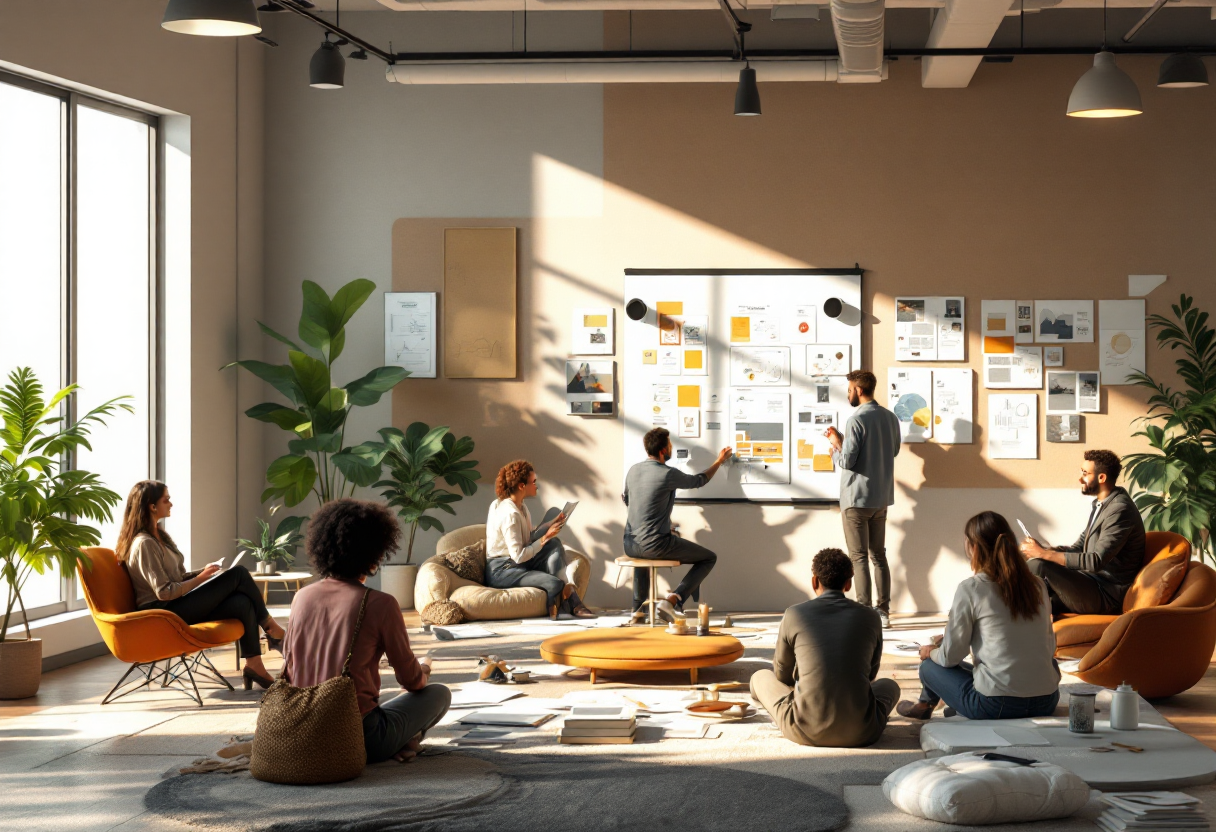
Design today goes far beyond aesthetics. It influences how we live, work, interact, and express creativity. From evolving interior design trends in homes and offices to digital experiences shaped by responsive design, modern design is deeply connected to human behavior. At the same time, problem-solving approaches like design thinking guide innovation across industries, while tools such as Cricut Design Space empower individuals to turn ideas into reality.
This article explores how these different design concepts intersect, shaping both physical and digital environments in meaningful ways.
Understanding the Role of Design in Everyday Life
Design is present in nearly every aspect of daily life—homes, apps, products, websites, and even processes. Good design balances function, usability, and visual appeal.
Key Areas Where Design Matters
| Design Area | Impact |
|---|---|
| Interior Spaces | Comfort, mood, productivity |
| Digital Interfaces | User experience and accessibility |
| Creative Processes | Innovation and problem-solving |
| DIY & Crafting | Personal expression |
Modern design is no longer limited to professionals; accessible tools and platforms have expanded creative possibilities.
Interior Design Trends Shaping Modern Spaces
Interior design trends evolve based on lifestyle changes, technology, and cultural influences. Today’s interiors focus on comfort, sustainability, and personalization.
Popular Interior Design Trends Today
| Trend | Description |
|---|---|
| Minimalist Design | Clean lines, clutter-free spaces |
| Sustainable Materials | Eco-friendly furniture and finishes |
| Warm Neutrals | Earthy tones and textures |
| Multifunctional Spaces | Flexible layouts for work and living |
| Natural Elements | Wood, stone, and greenery |
These interior design trends reflect a desire for calm, functional, and meaningful living spaces.
Why Interior Design Trends Are Changing
The rise of remote work, smaller urban homes, and wellness-focused living has reshaped interior design trends. Designers now prioritize adaptability and comfort alongside aesthetics.
Key drivers include:
-
Work-from-home lifestyles
-
Sustainability awareness
-
Technology integration
-
Personal well-being
As a result, modern interiors blend beauty with purpose.
Interior Design Trends and Technology
Technology plays a growing role in interior design. Smart lighting, automated climate control, and digital visualization tools help designers create efficient spaces.
Many interior designers now use digital platforms to experiment with layouts and colors before execution, aligning creativity with practicality.
Responsive Design in the Digital World
While interior design shapes physical spaces, responsive design focuses on digital environments. It ensures that websites and applications adapt smoothly to different screen sizes and devices.
What Is Responsive Design?
Responsive design is a web and interface design approach that automatically adjusts layout, content, and functionality based on the user’s device—whether desktop, tablet, or smartphone.
Core Principles of Responsive Design
| Principle | Explanation |
|---|---|
| Flexible Layouts | Adapts to screen size |
| Scalable Images | Maintains quality |
| Touch-Friendly Design | Easy navigation |
| Fast Load Times | Better user experience |
In today’s mobile-first world, responsive design is essential for usability and accessibility.
Why Responsive Design Matters
Users expect seamless digital experiences. A lack of responsive design can lead to frustration, higher bounce rates, and reduced engagement.
Benefits include:
-
Improved user experience
-
Better search engine performance
-
Wider audience reach
-
Consistent brand presentation
Responsive design ensures that digital content works for everyone.
Design Thinking: The Foundation of Innovation
Design thinking is a human-centered approach to problem-solving. It focuses on understanding users, redefining problems, and creating innovative solutions.
The Five Stages of Design Thinking
| Stage | Purpose |
|---|---|
| Empathize | Understand user needs |
| Define | Identify the problem |
| Ideate | Generate creative ideas |
| Prototype | Build sample solutions |
| Test | Refine through feedback |
Design thinking is widely used in product design, business strategy, education, and technology.
How Design Thinking Influences Design Fields
Both interior design and digital design benefit from design thinking. By prioritizing user needs, designers create spaces and interfaces that truly work.
Examples include:
-
Designing homes around daily routines
-
Creating accessible digital interfaces
-
Improving DIY product usability
Design thinking ensures solutions are practical, not just visually appealing.
Design Thinking in Creative Projects
For creatives and DIY enthusiasts, design thinking encourages experimentation and learning. It allows creators to test ideas, refine designs, and improve outcomes based on feedback.
This mindset supports creativity across skill levels.
Cricut Design Space: Empowering DIY Creativity
Cricut Design Space is a popular design software used with Cricut cutting machines. It allows users to create custom designs for crafts, home décor, apparel, and more.
What You Can Do with Cricut Design Space
| Feature | Use Case |
|---|---|
| Design Creation | Custom graphics |
| Image Upload | Personal artwork |
| Text Tools | Typography projects |
| Project Templates | Beginner-friendly designs |
| Machine Integration | Precise cutting |
Cricut Design Space makes professional-looking design accessible to everyone.
Why Cricut Design Space Is Popular
The appeal of Cricut Design Space lies in its simplicity and flexibility. Users can design from scratch or modify templates, making it ideal for beginners and advanced creators.
Key advantages include:
-
Easy-to-use interface
-
Cloud-based access
-
Compatibility with multiple materials
-
Endless creative possibilities
Cricut Design Space bridges the gap between digital design and physical creation.
Connecting Interior Design Trends and DIY Tools
Many people use Cricut Design Space to personalize interiors by creating wall art, decals, labels, and custom décor that align with current interior design trends.
This combination allows homeowners to:
-
Customize spaces affordably
-
Follow design trends creatively
-
Express personal style
DIY tools make interior design more accessible and hands-on.
Responsive Design and Creative Platforms
Design platforms increasingly adopt responsive design to ensure smooth experiences across devices. Cricut Design Space, like many creative tools, benefits from responsive layouts that allow users to design on different screens.
This flexibility supports creativity anytime, anywhere.
Design Thinking Meets DIY and Digital Design
Design thinking enhances DIY and digital projects by encouraging creators to focus on purpose and usability.
For example:
-
Designing décor that fits a space perfectly
-
Creating digital layouts that are easy to navigate
-
Testing craft designs before final production
This approach reduces errors and improves satisfaction.
The Future of Design Across Disciplines
The future of design lies in integration. Interior spaces, digital platforms, and creative tools are increasingly interconnected.
Expected trends include:
-
Smarter, more adaptive interiors
-
Advanced responsive design techniques
-
Wider adoption of design thinking
-
More powerful DIY platforms like Cricut
Design will continue to center around human needs and creativity.
Challenges in Modern Design
Despite innovation, challenges remain.
Common Design Challenges
| Challenge | Impact |
|---|---|
| Rapid Trend Changes | Short design cycles |
| Technology Learning Curves | Skill gaps |
| Accessibility Needs | Inclusive design demands |
| Overcomplexity | Reduced usability |
Balancing creativity with functionality is key.
Why Design Skills Matter Today
Design skills are valuable across industries. Understanding interior design trends, responsive design, and design thinking opens opportunities in creative, technical, and business fields.
Even hobbyists benefit from tools like Cricut Design Space, which turn ideas into tangible results.
Frequently Asked Questions (FAQ)
1. What are the most popular interior design trends right now?
Current interior design trends include minimalism, sustainable materials, warm neutral colors, and multifunctional spaces.
2. What is responsive design used for?
Responsive design ensures websites and applications work well on all screen sizes, improving usability and accessibility.
3. How does design thinking help designers?
Design thinking helps designers solve problems creatively by focusing on user needs and testing solutions.
4. Is Cricut Design Space beginner-friendly?
Yes, Cricut Design Space is designed for beginners and offers templates, tutorials, and simple tools.
5. Can Cricut Design Space be used for home décor?
Absolutely. Many users create custom décor that follows modern interior design trends using Cricut Design Space.
6. How are interior design and digital design connected?
Both fields use design thinking principles and benefit from user-focused approaches and responsive layouts.
Final Thoughts
Design is a powerful force that shapes how we live and interact with the world. From evolving interior design trends to user-friendly responsive design, from innovative design thinking processes to creative tools like Cricut Design Space, modern design is more inclusive and accessible than ever.
By embracing these concepts, designers, creators, and homeowners alike can build experiences—both physical and digital—that are functional, beautiful, and deeply human.
